
Community Voice Awards 2026 - Finalists
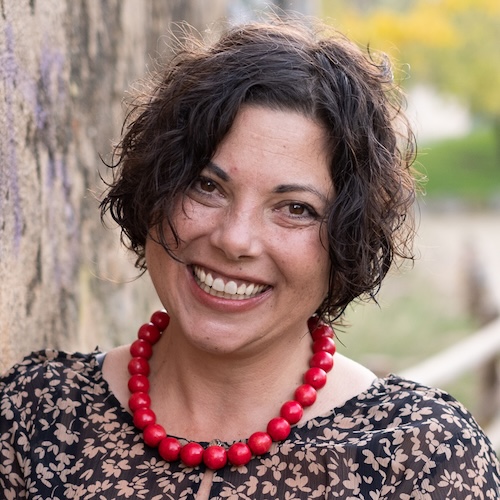
Jennifer Richmond
I’m Jennifer Marie Richmond — American, born and raised in Mexico, where I witnessed early on how access to education can shape — or limit — a person’s entire future. That stayed with me. Years later, I moved to Argentona, a small town in Catalonia, Spain, where I opened my own language school and built a life around teaching, community, and connection. I believed in education as something joyful, human, and shared.
But everything shifted in 2022 when the war in Ukraine began. When crisis hits, lives are turned upside down. Schools close, routines disappear, and families — especially women — are left to rebuild, start over, and somehow keep going. I reached out to a fellow teacher, my friend Olha, and asked how I could help. She told me, “The kids are on TikTok. Parents don’t know what’s going on. Let them sit in your classes — keep them focused on something other than the war.”
And that’s how Teachers for Peace began. What started as a few classes has grown into a movement of kindness — a low-cost, volunteer-led, rapid-response education community. A place where students can return again and again for continuous learning, stability, and connection. A window out. A space to gain skills, knowledge, and hope for tomorrow.
Today, we are a global network of over 70 educators, and together we’ve delivered more than 3,200 trauma-informed lessons across borders — creating spaces of safety, dignity, and belonging in times of uncertainty. This work has changed me. It has shown me that education is not just about knowledge — it’s about humanity, connection, and hope. Today, I am building Teachers for Peace into a sustainable global model — one that can respond to education crises anywhere in the world. Because I’ve seen what happens when people come together to learn — even in the hardest moments. And it changes everything.
- Nominated for: Honorary Community Awards – Academia for the War Torn Students

Ambriel Pouncy
The Architecture of a More Humane Future: A New Model of Global Leadership
My understanding of leadership began not in boardrooms, but in the making of things.
I started my career in product development within the global fashion supply chain, where I saw firsthand how deeply interconnected our systems are, and how often speed, scale, and profit come at the expense of people, communities, and the planet. That experience shaped my belief that if we are serious about sustainability, we cannot simply redesign products; we must redesign the systems that produce them.
That perspective followed me into Silicon Valley, where I worked at the forefront of AI, blockchain, and decentralized systems. There, I saw both the transformative power of innovation and the urgent need for frameworks rooted in responsibility, stewardship, and equity.
Today, as Global Head of Engagement and Ecosystem Innovation at The Digital Economist, I convene leaders across academia, policy, industry, and civil society to explore how we transition from extractive economies to regenerative ones.
Through Fusion Fashion Tech Society, Fusion Africa, A More Humane World, HBCU Climate Ventures, and in my role as Managing Director of the Junior Board at Sustainability Women in the World, my work advances circular and regenerative models that help restore ecosystems, expand economic opportunity, and empower the next generation of climate leaders.
I have contributed to global conversations at the United Nations, the UN Science Summit, UN Commission on the Status of Women, and the World Economic Forum, advocating for a shift from extraction to regeneration, from ownership to stewardship, and from innovation for growth to innovation for impact.
Leadership in this era is about designing systems that are more transparent, inclusive, and humane, and having the courage to co-create a future that sustains both people and the planet.
- Nominated for: Honorary Community Awards – Climate Change Impact
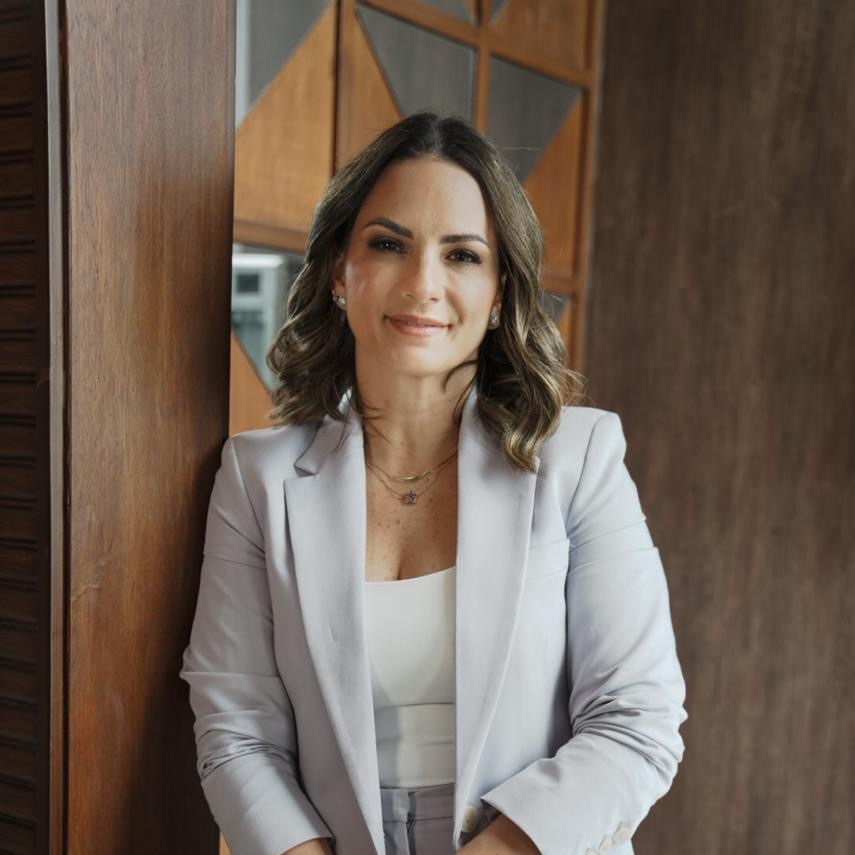
Ana María Pesantes Salazar
Ambassador of Ecuador to France and the Principality of Monaco | Former Vice-Presidential Candidate of the Republic of Ecuador | Former Technical Secretary of the Ecuador Gender Parity Initiative (IPG EC) | Co-author of the Violet Economy Model in Ecuador | Lead Architect of the Violet Economy Public Policy 2019-2025 | Co-founder of 30% Club Ecuador | LinkedIn Top Voice Gender Equality 2023
Ana María Pesantes Salazar is an internationally recognised leader in gender-equality public policy, corporate governance, and economic diplomacy, with over 8 years translating global agendas into measurable legal frameworks. In 2019, she co-authored the Violet Economy—a pioneering Latin American strategy to close gender economic gaps through public-private partnerships—and drove its legislative consolidation until the Organic Law to Promote the Violet Economy was approved on 20 January 2023.
As Senior Advisor to the Economic Development Commission of the National Assembly—led by then-Assembly Member and current President of the Republic, Daniel Noboa—she contributed to the passage of eleven organic laws, including the Entrepreneurship and Innovation Law and the Circular Economy Law. As former Technical Secretary of the IPG EC (IDB–WEF), she bridged the public and private sectors, advanced the country’s national gender agenda, and contributed to the Urgent Economic Law for Female Entrepreneurship submitted by President Noboa. Under this leadership, Ecuador climbed to 16th place in the World Economic Forum’s Global Gender Gap Report.
Her mission: to turn the Violet Economy into a replicable model for any country aspiring to close its gender economic gaps.
- Nominated for: Honorary Community Awards – Ecuador Community Opportunities
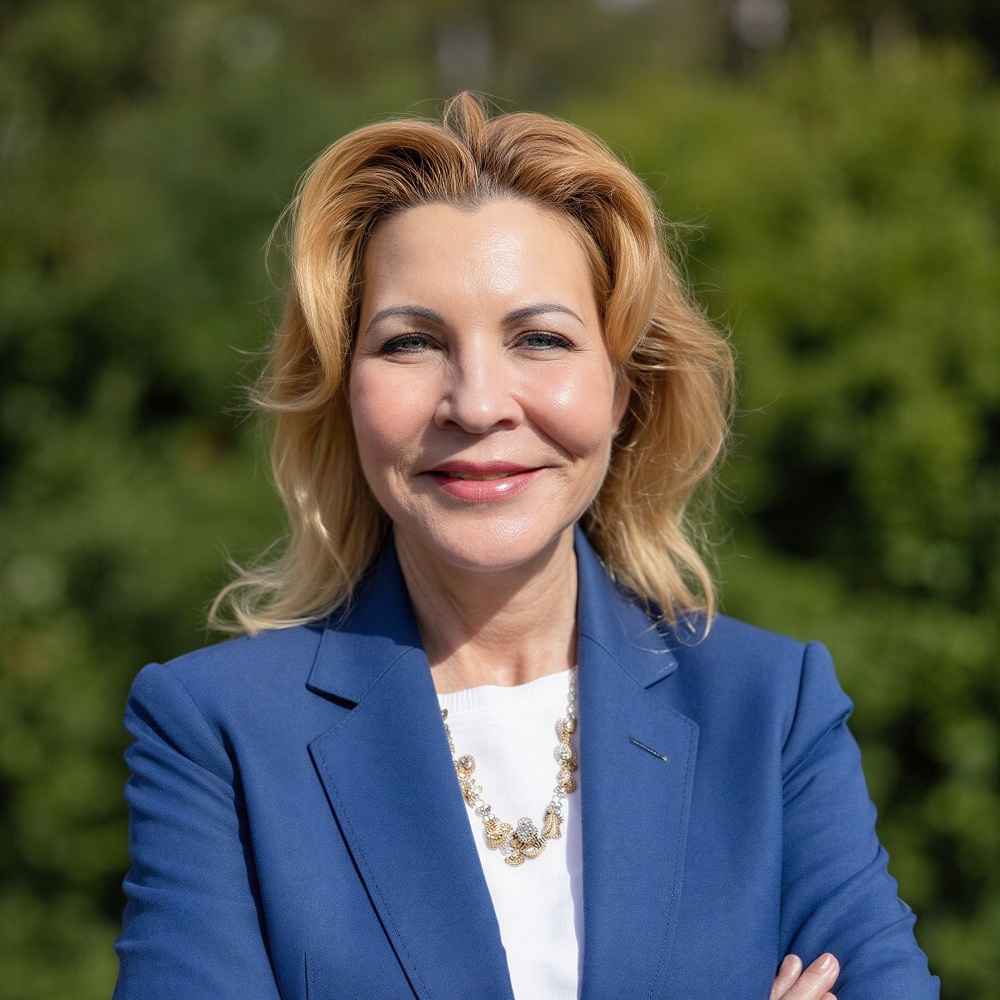
Shelli Brunswick
Building Communities Through Leadership, Entrepreneurship, and Global Impact
Shelli Brunswick is a global strategist, author, and CEO of SB Global LLC who helps leaders, founders, and institutions turn complexity into opportunity. Her work spans entrepreneurship, innovation, and executive development—creating pathways for people and communities to grow, collaborate, and lead with purpose across borders.
At the core of her work is the Space Mindset, a leadership framework inspired by systems thinking, long-term vision, and global perspective. It challenges leaders to think beyond immediate outcomes and focus instead on how markets are created, talent is cultivated, and lasting impact is achieved. Through this lens, innovation becomes not just a technological advantage, but a shared human responsibility.
As Secretary General of the World Business Angels Investment Forum Global Women Leaders Committee, she works across global entrepreneurship ecosystems to connect founders, investors, policymakers, and institutions—expanding access to capital, trusted networks, and strategic collaboration. Her approach centers on creating environments where more people can participate in shaping the future of business and innovation.
Through international partnerships across Europe, Africa, Australia, and the Middle East, she supports entrepreneurship, leadership development, and ecosystem growth by bringing together startups, universities, investors, and public-sector leaders to strengthen opportunity and long-term resilience.
As a Visiting Scholar with the Blue Marble Space Institute of Science and author of the What’s Space Got to Do With It? series, she translates her leadership philosophy into practical frameworks for innovation, growth, and resilience—reinforced by insights from more than 200 global thought leaders across industries and continents.
Her lasting contribution is clear: creating communities where innovation expands access, leadership inspires action, and success becomes something shared.
- Nominated for: Honorary Community Awards – Space Mindset Leadership
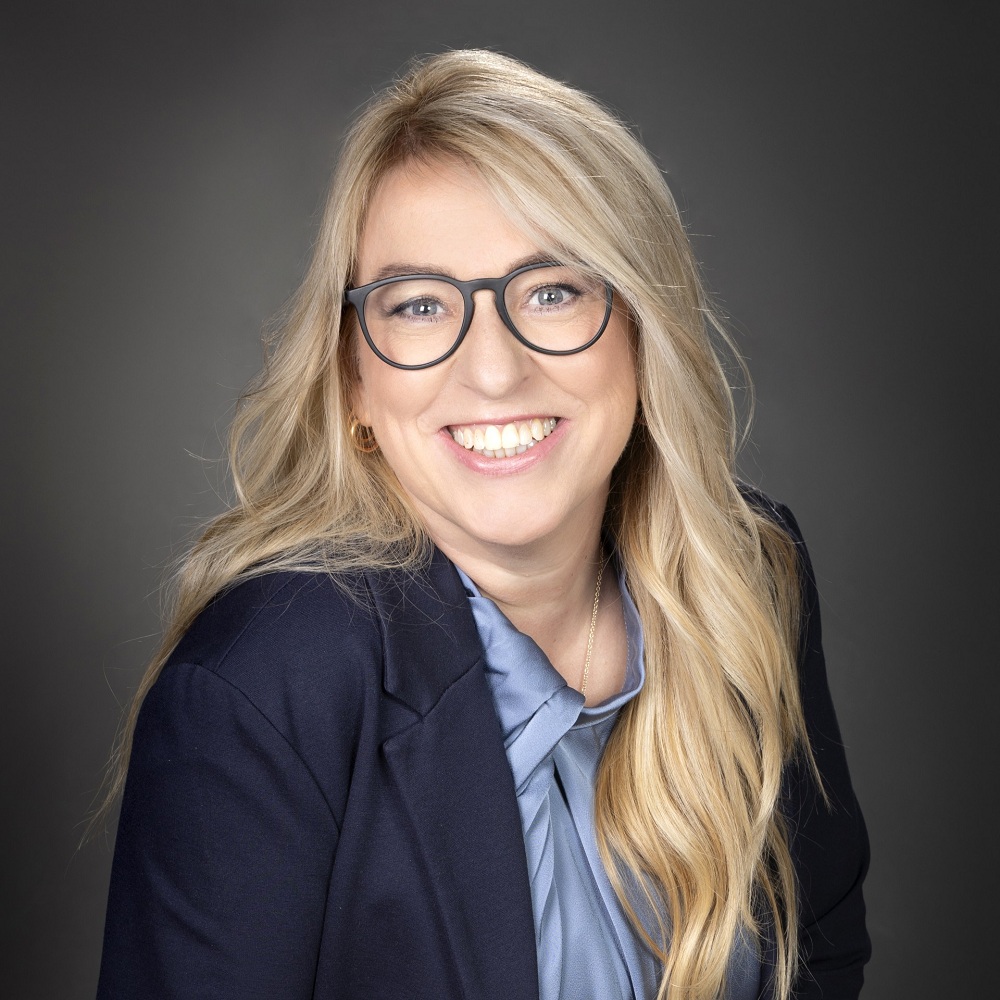
Herdís Pála Pálsdóttir
Herdís Pála Pálsdóttir has spent most of her career helping people and organizations unlock their full potential through purposeful career design, impactful leadership, and a deep commitment to human growth at work and in life.
In addition, she has done a substantial amount of work pro bono, helping individuals and various associations and NGOs with one-on-one coaching, seminars, and more.
Over the years, Herdís Pála has guided numerous individuals through career growth and transitions, helping them find meaningful employment that aligns with who they are and where they want to go, and in doing so, perform better at work and improve their overall quality of life.
Her work with leaders is equally purposeful. Herdís Pála has coached and challenged managers and executives to lead with greater awareness and impact, helping organizations build cultures where people and performance genuinely thrive. She believes purposeful leadership is not a soft skill but a core driver of organizational health, which leads to better results for everybody.
She is a passionate advocate for both self-leadership and lifelong learning and has built much of her work around this conviction — believing these are the most powerful tools people have to adapt, grow, and improve security in uncertain times.
As a sought-after speaker and facilitator, she has delivered courses and seminars across Iceland, and also in some other European countries, on career design, self-leadership, well-being, and the future of work. Her sessions combine research-backed frameworks with practical tools, leaving participants with both the clarity and the confidence to take their next step.
Her voice in the Icelandic professional community, and to some extent abroad, is recognized, respected, and distinctly her own: grounded in research, shaped by real-world experience, and always in service of helping people and organizations grow with purpose.
Herdís Pála’s career is defined by a consistent commitment to three things: helping people find their path, empowering leaders to lead well, and building communities where purposeful growth is the standard — not the exception.
- Nominated for: Honorary Community Awards – Iceland Community Employment
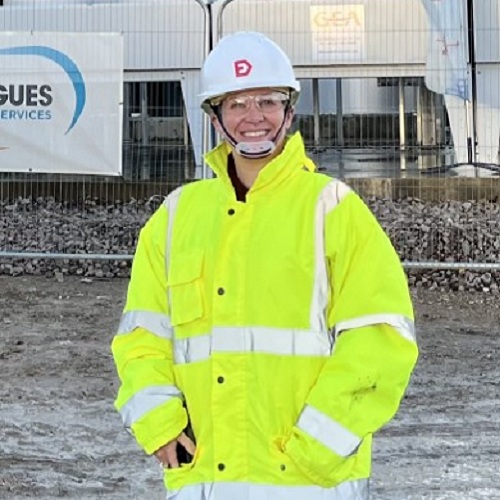
Emma Fletcher
Innovation Director – Octopus Energy Homes |Chair – RICS Residential Professional Group Panel
About 15 years ago, concerned about the lack of young people in our village and community balance, I helped establish the Swaffham Prior Community Land Trust. We built eight homes, including two bungalows, rented to local residents at a 30% discount to open market rates. Five years later, I grew frustrated with the rising cost of heating oil, which jumped from 17p to around 77p per litre. For our young family in a village without a gas supply, filling the tank became a severe financial strain and I felt that everyone else must be feeling this burden too.
Inspired by a BBC Radio 4 podcast about a Scottish island achieving energy independence via wave, wind, and solar power, I loved the concept of treating every settlement as a self-sufficient “island”. This led to the Heating Swaffham Prior project, aiming for a community heating system that didn’t rely on fossil fuels, with no connection cost barriers for households and costs equal to or less than oil. We formed a partnership between the Community Land Trust and the County Council to secure land for the energy centre, grant funding and expertise. After various steps, we gained planning permission for an energy centre utilisiing 108 x 200m deep boreholes (for heat in winter), industrial air source (for heat in summer), a private connection to a solar farm about 8km away, and four backup water tanks.
We now circulate 70°C water through the village from the energy centre, replacing large oil boilers and tanks with smaller, in-home Heat Interface Units. This eliminates flues and smells, and with minimal disruption provides hot water to existing wet heating systems. We’ve connected 117 of 200 homes, with more joining and showing interest especially in the last few months. I am very proud of this achievement. The system easily decarbonises heating for all homes, saves carbon and money, and removes the burden of oil.
- Nominated for: Honorary Community Awards – Renewable Energy Community Reach